
- published: 11 Apr 2024
- views: 23866
Story
Story or stories may refer to:
Media
Music
Albums
This page contains text from Wikipedia, the Free Encyclopedia - https://wn.com/Story

Makes Me Wonder
"Makes Me Wonder" is the first single released from Maroon 5's second album, It Won't Be Soon Before Long (2007). It premiered on the Las Vegas radio station KMXB, and became an instant hit worldwide. Upon release, the song set a record for the biggest jump to number-one in the history of the Billboard Hot 100 chart, rising from number 64 to number-one. However, the record was later broken by Kelly Clarkson's 2009 single, "My Life Would Suck Without You".
"Makes Me Wonder" also became the band's first number-one on the Billboard Hot 100 chart. The song won the Grammy Award for Best Pop Performance by a Duo or Group with Vocal at the 50th Grammy Awards, their second song to win the award. The song was among the most successful of 2007, and was their biggest hit until the release of "Moves Like Jagger" by the band in 2011.
Despite the song's commercial success, critical reception was mixed. It was ranked No. 49 on Rolling Stone's list of the 100 Best Songs of 2007. Maroon 5 performed the song in May 2007 on The Tonight Show with Jay Leno.
This page contains text from Wikipedia, the Free Encyclopedia - https://wn.com/Makes_Me_Wonder
Leddra Chapman
HIDDEN ERROR: Usage of "albums" is not recognized
Anna Leddra Chapman (born 10 October 1990), better known as Leddra Chapman, is an English singer-songwriter and musician from Brentwood in Essex. She rose to prominence when her debut single, "Story", was released on 7 December 2009 to much critical success and strong radio support from Terry Wogan on BBC Radio 2 during his last months at the station. The track is taken from her debut album, Telling Tales, which was produced by Peter-John Vettese and released for download on 29 November 2009. She was a student at London College of Music and she is also an ambassador for clothing company Quiksilver and The Body Shop. Her single 'All About You', from her second EP 'The Crowds and Cocktails', was BBC Radio 2's single of the week on 4 March 2013 and later added to the radio's B List.
Chapman has been interviewed by industry intelligence magazine, Five Eight, and mentioned by Music Ally. She is best known for her high, soprano voice.Music Week magazine have described her as "filling a similar space to early Alanis Morissette and Joni Mitchell".
This page contains text from Wikipedia, the Free Encyclopedia - https://wn.com/Leddra_Chapman
Podcasts:
-

और करो Aur Karo | Hindi Kahani | Bedtime Stories | Story | Kahani | Moral Story | Fairy Tales
और करो Aur Karo | Hindi Kahani | Moral Stories | Hindi Story | Kahani | Saas Bahu | Storytime | Khani | Bedtime Stories Watch Stories in Hindi on our Hindi Moral Stories Channel : https://www.youtube.com/channel/UCSfX2TUPfxMpE2D2K1-ZZlw Subscribe to our channel and be the first to watch our latest learning animations videos! © Copyright by KME LIKE | SHARE | COMMENT | SUBSCRIBE #moralstories #hindikahani #newstory #saasbahustory #funnyvideos
published: 11 Apr 2024 -

ननद खा गई सब | Hindi Kahani | Bedtime Stories | Story | Kahani | Moral Story | Fairy Tales
ननद खा गई सब | Hindi Kahani | Moral Stories | Hindi Story | Kahani | Saas Bahu | Storytime | Khani | Bedtime Stories Watch Stories in Hindi on our Hindi Moral Stories Channel : https://www.youtube.com/channel/UCSfX2TUPfxMpE2D2K1-ZZlw Subscribe to our channel and be the first to watch our latest learning animations videos! © Copyright by KME LIKE | SHARE | COMMENT | SUBSCRIBE #moralstories #hindikahani #newstory #saasbahustory #funnyvideos
published: 10 Apr 2024 -

सबसे अच्छा दान | SABSE ACHHA DAAN | HINDI KAHANIYA | HINDI STORIES
सबसे अच्छा दान | SABSE ACHHA DAAN | HINDI KAHANIYA | HINDI STORIES सबसे अच्छा दान | BEST DONATION | FAIRY TALES IN HINDI #hindikahani #moralstories #dreamtoon Share, Support, Subscribe!!! Subscribe: https://bit.ly/DreamToon Facebook: https://www.facebook.com/DreamToonOfficial Instagram: https://www.instagram.com/thedreamtoon © Reserved to DREAM TOON About : Dream Toon is a YouTube Channel, where you will find latest Hindi stories and modern fairy tales for all generations. I hope this video was Useful and you liked it, if you did press the thumbs up button.
published: 11 Apr 2024 -

The Amazing Digital Circus With Mermaid 🐬 Bedtime Stories🌛 Fairy Tales @WOAFairyTalesEnglish
👋 Hi Everyone. 💖 Please help us to reach 1.000.000 subscribers: https://www.youtube.com/channel/UCpTEsLdeVezbz6XuyHF-nzQ?sub_confirmation=1 👉Join as a member of Woa Fairy Tales Family to enjoy the privileges https://www.youtube.com/c/WOAFairyTalesEnglish/join The Amazing Digital Circus With Mermaid 🐬 Bedtime Stories🌛 Fairy Tales in English @WOAFairyTalesEnglish #WoaFairyTalesEnglish #WoaFairyTales #EnglishFairyTales #woavideos #2DCartoon -------------------------------------------------- Become a Superfan - Join our Membership and Show Your Support for Amazing Content! 🌟👏 https://www.youtube.com/channel/UCpTEsLdeVezbz6XuyHF-nzQ/join -------------------------------------------------- Please help us to reach 1.000.000 subscribers: https://www.youtube.com/channel/UCpTEsLdeVezbz6XuyHF-nz...
published: 10 Apr 2024 -

Telugu Stories - కష్ట ఫలం - stories in Telugu - Moral Stories in Telugu - తెలుగు కథలు
Enjoy this collection of Telugu stories, including the classic "Kashta Phalam". These moral stories in Telugu are perfect for all ages and will entertain and inspire you. Discover the latest Telugu stories and immerse yourself in the world of storytelling in Telugu! Watch these Telugu Stories - కష్ట ఫలం - for moral lessons and entertainment. Enjoy the latest stories in Telugu and learn valuable life lessons!Get ready for a heartwarming Telugu story - "కష్ట ఫలం". Watch this moral story in Telugu and enjoy the latest stories in Telugu literature.#telugustories #storiesintelugu #telugukathalu #teluguneethikathalu #neethikathalu #telugufairytales #telugumoralstories #newstoriesbooktelugu #తెలుగుకథలు #storyintelugu For More Telugu Stories also WATCHhttps://www.youtube.com/@SuperStor...
published: 11 Apr 2024 -

माँ को मैं रखूंगी | Kahani | Moral Stories | Stories in Hindi | Bedtime Stories | Fairy Tales
माँ को मैं रखूंगी | Hindi Kahani | Moral Stories | Stories in Hindi | Hindi Kahaniya | Fairy tales | Ameer Vs Gareeb | Gareeb Vs Ameer | Amir Garib | Bedtime Stories | Story | Cartoon | Saas Bahu | Saas Bahu Story | Bedtime Moral Stories | Moral Kahani | Hindi Moral Kahaniya | Hindi Story | Kahaniya in Hindi | Kahaniyan | New Story | Gareeb Ki Kahani | Gareeb Saas Bahu © Copyright by Kidlogics Media Entertainment ★ Subscribe http://bit.ly/36q2KNX LIKE | SHARE | COMMENT | SUBSCRIBE ------------------------------------------------------------------ *All the story characters, incidents, names, and situations used in this story are fictitious. ------------------------------------------------------------------ #ameervsgareeb #amirgarib #kahaniya #story #stories #kahani #hindimoralstori...
published: 11 Apr 2024 -

ठंडा खाना | Kahani | Moral Stories | Stories in Hindi | Bedtime Stories | Fairy Tales
ठंडा खाना | Hindi Kahani | Moral Stories | Stories in Hindi | Hindi Kahaniya | Fairy tales | Ameer Vs Gareeb | Gareeb Vs Ameer | Amir Garib | Bedtime Stories | Story | Cartoon | Saas Bahu | Saas Bahu Story | Bedtime Moral Stories | Moral Kahani | Hindi Moral Kahaniya | Hindi Story | Kahaniya in Hindi | Kahaniyan | New Story | Gareeb Ki Kahani | Gareeb Saas Bahu © Copyright by Kidlogics Media Entertainment ★ Subscribe http://bit.ly/36q2KNX LIKE | SHARE | COMMENT | SUBSCRIBE ------------------------------------------------------------------ *All the story characters, incidents, names, and situations used in this story are fictitious. ------------------------------------------------------------------ #ameervsgareeb #amirgarib #kahaniya #story #stories #kahani #hindimoralstories #hind...
published: 10 Apr 2024 -

高野麻里佳 / New story (TVアニメ「精霊幻想記」オープニングテーマ)
高野麻里佳 2nd Single「New story」2021/7/14 Release! 🎧先行配信中 https://lnk.to/Marika-Newstory 💿初回限定盤 https://lnk.to/Newstory-Syokai 💿通常盤 https://lnk.to/Newstory-Tsujo ///////////////////////////////////////////////// 2021/7/14 Release 高野麻里佳 2nd Single「New story」 [初回限定盤] CD+DVD COZC-1769-70 ¥2,090 (税抜価格 ¥1,900) [通常盤] CD COCC-17884 ¥1,430 (税抜価格 ¥1,300) 《CD》 1. New story 作詞:hisakuni 作曲・編曲:アッシュ井上 TVアニメ「精霊幻想記」オープニングテーマ 2. さよなら星空 作詞・作曲・編曲:松坂康司 3. New story (Instrumental) 4. さよなら星空 (Instrumental) 《DVD》 ・「New story」ミュージックビデオ+メイキング映像 ///////////////////////////////////////////////// Twitter : https://twitter.com/marika_staff HP : https://columbia.jp/kohnomarika/ #高野麻里佳 #まりんか #精霊幻想記 #Newstory #SeireiGensouki #SpiritChronicles
published: 20 Jun 2021 -

Kabhi Shaam Dhale | Mohammad Faiz | Heart Touching Love Story | New Hindi Songs 2023| PRASV Creation
Managed by the brand solutions https://thebrandsolutions.in/ PRASV Creation Presents “ Kabhi Shaam Dhale ”( Heart Touching Love Story ) !! 🔹Subscribe 🔔 to our channel for more latest videos !! 🔹Please Do Like👍, Comments & Share💲 this Video more and more !! 🔹For Any Businesses Required ;- ▪ 𝙁𝙖𝙘𝙚𝙗𝙤𝙤𝙠 :- prasvcreation ( https://fb.me/prasvcreation ) ▪ 𝙄𝙣𝙨𝙩𝙖𝙜𝙧𝙖𝙢 :- prasvcreation (https://instagram.com/prasvcreation?igshid=1jdcum8w70hib) ▪️𝙂𝙢𝙖𝙞𝙡 :- contactprasv@gmail.com ▪️𝙒𝙝𝙖𝙩𝙨𝘼𝙥𝙥 :- +91 8910990055 ♦️THIS VIDEO CREDITS :- Story ~ Akhilesh DOP ~ Prashant Rajput Video Editor ~ Prashant Rajput Camera ~ Ashish Ranjan Thumbnail ~ Mr Ak Editing ▪️ STARRING :- PRASHANT RAJPUT & BEAUTY RAJPUT ▪️ SUB CAST :- JERRY , VISHAL , ABHISHEK, PRINCE, ASHISH, HARSH, ADITYA, PINTOO KUMAR, KAVITA D...
published: 10 Apr 2024 -
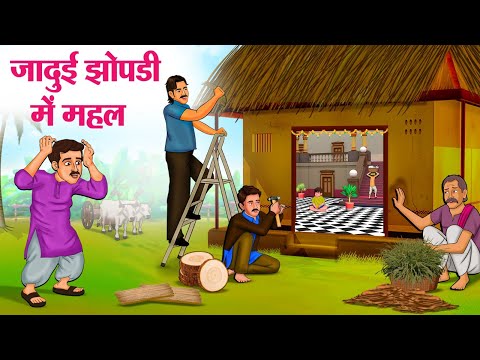
जादुई झोपडी में महल | Hindi Kahaniya | Moral Stories | Bedtime Stories | Story In Hindi
जादुई झोपडी में महल | Jadui Zhopdi Mein Mahal | Hindi Kahani | Moral Stories | Bedtime Stories | Bedtime Moral Stories | Hindi Kahaniya | Kahani | Kahaniya | Stories in Hindi | Story In Hindi | Hindi Kahaniyan | Hindi Moral Stories | Moral Stories| Moral Kahani | Moral Kahaniya | Garib vs Amir | Poor vs Rich | Garib Ki Kahani #जादुई_झोपडी_में_महल #hindikahani #moralstories © Koo Koo TV ►Subscribe for Watch More Hindi Stories : @KooKooTvHindi Connect with us on: Facebook - https://www.facebook.com/OfficialKooKooTV Instagram - https://www.instagram.com/kookootvofficial #kahaniyan #kahani #hindikahaniya #story #stories #moralstories #storiesinhindi #fairytales #fairytalesinhindi #hindikahani #hindistories #hindistory #kahaniyan #garibvsamir #poorvsrich #richvspoor #laalki...
published: 30 Mar 2024
developed with YouTube
17:03
और करो Aur Karo | Hindi Kahani | Bedtime Stories | Story | Kahani | Moral Story | Fairy Tales
- Order: Reorder
- Duration: 17:03
- Uploaded Date: 11 Apr 2024
- views: 23866
और करो Aur Karo | Hindi Kahani | Moral Stories | Hindi Story | Kahani | Saas Bahu | Storytime | Khani | Bedtime Stories
Watch Stories in Hindi on our Hindi Mor...
और करो Aur Karo | Hindi Kahani | Moral Stories | Hindi Story | Kahani | Saas Bahu | Storytime | Khani | Bedtime Stories
Watch Stories in Hindi on our Hindi Moral Stories Channel : https://www.youtube.com/channel/UCSfX2TUPfxMpE2D2K1-ZZlw
Subscribe to our channel and be the first to watch our latest learning animations videos!
© Copyright by KME
LIKE | SHARE | COMMENT | SUBSCRIBE
#moralstories #hindikahani #newstory #saasbahustory #funnyvideos
https://wn.com/और_करो_Aur_Karo_|_Hindi_Kahani_|_Bedtime_Stories_|_Story_|_Kahani_|_Moral_Story_|_Fairy_Tales
और करो Aur Karo | Hindi Kahani | Moral Stories | Hindi Story | Kahani | Saas Bahu | Storytime | Khani | Bedtime Stories
Watch Stories in Hindi on our Hindi Moral Stories Channel : https://www.youtube.com/channel/UCSfX2TUPfxMpE2D2K1-ZZlw
Subscribe to our channel and be the first to watch our latest learning animations videos!
© Copyright by KME
LIKE | SHARE | COMMENT | SUBSCRIBE
#moralstories #hindikahani #newstory #saasbahustory #funnyvideos
11:26
ननद खा गई सब | Hindi Kahani | Bedtime Stories | Story | Kahani | Moral Story | Fairy Tales
- Order: Reorder
- Duration: 11:26
- Uploaded Date: 10 Apr 2024
- views: 159726
ननद खा गई सब | Hindi Kahani | Moral Stories | Hindi Story | Kahani | Saas Bahu | Storytime | Khani | Bedtime Stories
Watch Stories in Hindi on our Hindi Moral ...
ननद खा गई सब | Hindi Kahani | Moral Stories | Hindi Story | Kahani | Saas Bahu | Storytime | Khani | Bedtime Stories
Watch Stories in Hindi on our Hindi Moral Stories Channel : https://www.youtube.com/channel/UCSfX2TUPfxMpE2D2K1-ZZlw
Subscribe to our channel and be the first to watch our latest learning animations videos!
© Copyright by KME
LIKE | SHARE | COMMENT | SUBSCRIBE
#moralstories #hindikahani #newstory #saasbahustory #funnyvideos
https://wn.com/ननद_खा_गई_सब_|_Hindi_Kahani_|_Bedtime_Stories_|_Story_|_Kahani_|_Moral_Story_|_Fairy_Tales
ननद खा गई सब | Hindi Kahani | Moral Stories | Hindi Story | Kahani | Saas Bahu | Storytime | Khani | Bedtime Stories
Watch Stories in Hindi on our Hindi Moral Stories Channel : https://www.youtube.com/channel/UCSfX2TUPfxMpE2D2K1-ZZlw
Subscribe to our channel and be the first to watch our latest learning animations videos!
© Copyright by KME
LIKE | SHARE | COMMENT | SUBSCRIBE
#moralstories #hindikahani #newstory #saasbahustory #funnyvideos
- published: 10 Apr 2024
- views: 159726
15:08
सबसे अच्छा दान | SABSE ACHHA DAAN | HINDI KAHANIYA | HINDI STORIES
- Order: Reorder
- Duration: 15:08
- Uploaded Date: 11 Apr 2024
- views: 33254
सबसे अच्छा दान | SABSE ACHHA DAAN | HINDI KAHANIYA | HINDI STORIES
सबसे अच्छा दान | BEST DONATION | FAIRY TALES IN HINDI
#hindikahani #moralstories #dreamtoon
...
सबसे अच्छा दान | SABSE ACHHA DAAN | HINDI KAHANIYA | HINDI STORIES
सबसे अच्छा दान | BEST DONATION | FAIRY TALES IN HINDI
#hindikahani #moralstories #dreamtoon
Share, Support, Subscribe!!!
Subscribe: https://bit.ly/DreamToon
Facebook: https://www.facebook.com/DreamToonOfficial
Instagram: https://www.instagram.com/thedreamtoon
© Reserved to DREAM TOON
About : Dream Toon is a YouTube Channel, where you will find latest Hindi stories and modern fairy tales for all generations. I hope this video was Useful and you liked it, if you did press the thumbs up button.
https://wn.com/सबसे_अच्छा_दान_|_Sabse_Achha_Daan_|_Hindi_Kahaniya_|_Hindi_Stories
सबसे अच्छा दान | SABSE ACHHA DAAN | HINDI KAHANIYA | HINDI STORIES
सबसे अच्छा दान | BEST DONATION | FAIRY TALES IN HINDI
#hindikahani #moralstories #dreamtoon
Share, Support, Subscribe!!!
Subscribe: https://bit.ly/DreamToon
Facebook: https://www.facebook.com/DreamToonOfficial
Instagram: https://www.instagram.com/thedreamtoon
© Reserved to DREAM TOON
About : Dream Toon is a YouTube Channel, where you will find latest Hindi stories and modern fairy tales for all generations. I hope this video was Useful and you liked it, if you did press the thumbs up button.
- published: 11 Apr 2024
- views: 33254
1:09:16
The Amazing Digital Circus With Mermaid 🐬 Bedtime Stories🌛 Fairy Tales @WOAFairyTalesEnglish
- Order: Reorder
- Duration: 1:09:16
- Uploaded Date: 10 Apr 2024
- views: 22149
👋 Hi Everyone. 💖 Please help us to reach 1.000.000 subscribers:
https://www.youtube.com/channel/UCpTEsLdeVezbz6XuyHF-nzQ?sub_confirmation=1
👉Join as a member ...
👋 Hi Everyone. 💖 Please help us to reach 1.000.000 subscribers:
https://www.youtube.com/channel/UCpTEsLdeVezbz6XuyHF-nzQ?sub_confirmation=1
👉Join as a member of Woa Fairy Tales Family to enjoy the privileges
https://www.youtube.com/c/WOAFairyTalesEnglish/join
The Amazing Digital Circus With Mermaid 🐬 Bedtime Stories🌛 Fairy Tales in English @WOAFairyTalesEnglish
#WoaFairyTalesEnglish
#WoaFairyTales
#EnglishFairyTales
#woavideos
#2DCartoon
--------------------------------------------------
Become a Superfan - Join our Membership and Show Your Support for Amazing Content! 🌟👏
https://www.youtube.com/channel/UCpTEsLdeVezbz6XuyHF-nzQ/join
--------------------------------------------------
Please help us to reach 1.000.000 subscribers: https://www.youtube.com/channel/UCpTEsLdeVezbz6XuyHF-nzQ
♥ About this channel:
WOA Fairy Tales - English CHANNEL engages teenagers aged from 13 to 18 years old.
Our contents are divided into these categories: fable, folktale, magical, mythic, legend, and narrative which can be found in every specific playlist. Hope you all enjoy our channel and please subscribe to get notifications of the newest uploaded videos.
The content of our channel is divided into the following categories:
Fairy Tales Academy 🌟✨
Horror Stories 💀
💖 LOVE STORY
Bedtime Stories🌛
Princess Story 👰
Friendship Stories 👩❤️👩
Sleep Story 🌛
Learn English through story 📚
Learn English 📚
Storytime 💥⭐
My Story Animated 💌
Scary Stories 😜
Adventures Story 🚀🚤✈
Disclaimer
► The WOA Fairy Tales - English Channel and all of its videos are not “directed to children” within the meaning of Title 16 C.F.R. § 312.2 of the CHILDREN'S ONLINE PRIVACY PROTECTION ACT (USA) and are not intended for children under 13 years of age. WOA Fairy Tales - English CHANNEL and its owner(s), agents, representatives, and employees do not collect any information from children under 13 years of age and expressly deny permission to any third party seeking to collect information from children under 13 years of age on behalf of English Fairy Tales CHANNEL. Further, WOA Fairy Tales - English CHANNEL denies all liability or responsibility for the practices and policies of YouTube, its agents and subsidiaries, or any other affiliated third party, regarding data collection.
This channel's audio and visual content is owned by SCONNECT, audiojungle.net, and licensed under Creative Commons Attribution.
-------------------------------------------------
THANKS FOR WATCHING
https://wn.com/The_Amazing_Digital_Circus_With_Mermaid_🐬_Bedtime_Stories🌛_Fairy_Tales_Woafairytalesenglish
👋 Hi Everyone. 💖 Please help us to reach 1.000.000 subscribers:
https://www.youtube.com/channel/UCpTEsLdeVezbz6XuyHF-nzQ?sub_confirmation=1
👉Join as a member of Woa Fairy Tales Family to enjoy the privileges
https://www.youtube.com/c/WOAFairyTalesEnglish/join
The Amazing Digital Circus With Mermaid 🐬 Bedtime Stories🌛 Fairy Tales in English @WOAFairyTalesEnglish
#WoaFairyTalesEnglish
#WoaFairyTales
#EnglishFairyTales
#woavideos
#2DCartoon
--------------------------------------------------
Become a Superfan - Join our Membership and Show Your Support for Amazing Content! 🌟👏
https://www.youtube.com/channel/UCpTEsLdeVezbz6XuyHF-nzQ/join
--------------------------------------------------
Please help us to reach 1.000.000 subscribers: https://www.youtube.com/channel/UCpTEsLdeVezbz6XuyHF-nzQ
♥ About this channel:
WOA Fairy Tales - English CHANNEL engages teenagers aged from 13 to 18 years old.
Our contents are divided into these categories: fable, folktale, magical, mythic, legend, and narrative which can be found in every specific playlist. Hope you all enjoy our channel and please subscribe to get notifications of the newest uploaded videos.
The content of our channel is divided into the following categories:
Fairy Tales Academy 🌟✨
Horror Stories 💀
💖 LOVE STORY
Bedtime Stories🌛
Princess Story 👰
Friendship Stories 👩❤️👩
Sleep Story 🌛
Learn English through story 📚
Learn English 📚
Storytime 💥⭐
My Story Animated 💌
Scary Stories 😜
Adventures Story 🚀🚤✈
Disclaimer
► The WOA Fairy Tales - English Channel and all of its videos are not “directed to children” within the meaning of Title 16 C.F.R. § 312.2 of the CHILDREN'S ONLINE PRIVACY PROTECTION ACT (USA) and are not intended for children under 13 years of age. WOA Fairy Tales - English CHANNEL and its owner(s), agents, representatives, and employees do not collect any information from children under 13 years of age and expressly deny permission to any third party seeking to collect information from children under 13 years of age on behalf of English Fairy Tales CHANNEL. Further, WOA Fairy Tales - English CHANNEL denies all liability or responsibility for the practices and policies of YouTube, its agents and subsidiaries, or any other affiliated third party, regarding data collection.
This channel's audio and visual content is owned by SCONNECT, audiojungle.net, and licensed under Creative Commons Attribution.
-------------------------------------------------
THANKS FOR WATCHING
- published: 10 Apr 2024
- views: 22149
14:34
Telugu Stories - కష్ట ఫలం - stories in Telugu - Moral Stories in Telugu - తెలుగు కథలు
- Order: Reorder
- Duration: 14:34
- Uploaded Date: 11 Apr 2024
- views: 14651
Enjoy this collection of Telugu stories, including the classic "Kashta Phalam". These moral stories in Telugu are perfect for all ages and will entertain and in...
Enjoy this collection of Telugu stories, including the classic "Kashta Phalam". These moral stories in Telugu are perfect for all ages and will entertain and inspire you. Discover the latest Telugu stories and immerse yourself in the world of storytelling in Telugu!
Watch these Telugu Stories - కష్ట ఫలం - for moral lessons and entertainment. Enjoy the latest stories in Telugu and learn valuable life lessons!Get ready for a heartwarming Telugu story - "కష్ట ఫలం".
Watch this moral story in Telugu and enjoy the latest stories in Telugu literature.#telugustories #storiesintelugu #telugukathalu #teluguneethikathalu #neethikathalu #telugufairytales #telugumoralstories #newstoriesbooktelugu #తెలుగుకథలు #storyintelugu For More Telugu Stories also WATCHhttps://www.youtube.com/@SuperStoriesTelugufor COMMERCIAL ADVERSTISMENTS Only MSG on WHATSAPP +91 9550034134 (DONTCALL)MUSIC LICENCE TRACK - Indian Village Ambiance | Village Music | Background Music | Pack - 1CREATED by: Sound SFX From IndiaChannel Link: https://youtube.com/@SoundSFXActual Musical Track Link: https://youtu.be/uleaeCpwMUMUploaded Date: 25th Jan 2019NEW STORIES BOOK have the The Licence agreement with SOUND SFX to use there tracks, in my YouTube Channels. if any claims please contact @ +91 9550034134AND Susbcribe, follow us on YT https://www.youtube.com/@newstoriesbookteluguFB https://www.facebook.com/NewstoriesbookINSA https://www.instagram.com/newstoriesbook/TWIT https://twitter.com/newstoriesbookSHARECHAT https://sharechat.com/profile/newstoriesbooktelugu?d=nMOJ https://mojapp.in/@19545988831?referrer=TiY639g-LKmyaN
https://wn.com/Telugu_Stories_కష్ట_ఫలం_Stories_In_Telugu_Moral_Stories_In_Telugu_తెలుగు_కథలు
Enjoy this collection of Telugu stories, including the classic "Kashta Phalam". These moral stories in Telugu are perfect for all ages and will entertain and inspire you. Discover the latest Telugu stories and immerse yourself in the world of storytelling in Telugu!
Watch these Telugu Stories - కష్ట ఫలం - for moral lessons and entertainment. Enjoy the latest stories in Telugu and learn valuable life lessons!Get ready for a heartwarming Telugu story - "కష్ట ఫలం".
Watch this moral story in Telugu and enjoy the latest stories in Telugu literature.#telugustories #storiesintelugu #telugukathalu #teluguneethikathalu #neethikathalu #telugufairytales #telugumoralstories #newstoriesbooktelugu #తెలుగుకథలు #storyintelugu For More Telugu Stories also WATCHhttps://www.youtube.com/@SuperStoriesTelugufor COMMERCIAL ADVERSTISMENTS Only MSG on WHATSAPP +91 9550034134 (DONTCALL)MUSIC LICENCE TRACK - Indian Village Ambiance | Village Music | Background Music | Pack - 1CREATED by: Sound SFX From IndiaChannel Link: https://youtube.com/@SoundSFXActual Musical Track Link: https://youtu.be/uleaeCpwMUMUploaded Date: 25th Jan 2019NEW STORIES BOOK have the The Licence agreement with SOUND SFX to use there tracks, in my YouTube Channels. if any claims please contact @ +91 9550034134AND Susbcribe, follow us on YT https://www.youtube.com/@newstoriesbookteluguFB https://www.facebook.com/NewstoriesbookINSA https://www.instagram.com/newstoriesbook/TWIT https://twitter.com/newstoriesbookSHARECHAT https://sharechat.com/profile/newstoriesbooktelugu?d=nMOJ https://mojapp.in/@19545988831?referrer=TiY639g-LKmyaN
- published: 11 Apr 2024
- views: 14651
15:51
माँ को मैं रखूंगी | Kahani | Moral Stories | Stories in Hindi | Bedtime Stories | Fairy Tales
- Order: Reorder
- Duration: 15:51
- Uploaded Date: 11 Apr 2024
- views: 16976
माँ को मैं रखूंगी | Hindi Kahani | Moral Stories | Stories in Hindi | Hindi Kahaniya | Fairy tales | Ameer Vs Gareeb | Gareeb Vs Ameer | Amir Garib | Bedtime St...
माँ को मैं रखूंगी | Hindi Kahani | Moral Stories | Stories in Hindi | Hindi Kahaniya | Fairy tales | Ameer Vs Gareeb | Gareeb Vs Ameer | Amir Garib | Bedtime Stories | Story | Cartoon | Saas Bahu | Saas Bahu Story | Bedtime Moral Stories | Moral Kahani | Hindi Moral Kahaniya | Hindi Story | Kahaniya in Hindi | Kahaniyan | New Story | Gareeb Ki Kahani | Gareeb Saas Bahu
© Copyright by Kidlogics Media Entertainment
★ Subscribe http://bit.ly/36q2KNX
LIKE | SHARE | COMMENT | SUBSCRIBE
------------------------------------------------------------------
*All the story characters, incidents, names, and situations used in this story are fictitious.
------------------------------------------------------------------
#ameervsgareeb
#amirgarib
#kahaniya
#story
#stories
#kahani
#hindimoralstories
#hindikahaniya
#moralkahaniya
#storiesinhindi
#moralstory
#fairytales
#hindifairytales
#fairytalesinhindi
#jaduikahaniya
#newstory
#nayikahani
https://wn.com/माँ_को_मैं_रखूंगी_|_Kahani_|_Moral_Stories_|_Stories_In_Hindi_|_Bedtime_Stories_|_Fairy_Tales
माँ को मैं रखूंगी | Hindi Kahani | Moral Stories | Stories in Hindi | Hindi Kahaniya | Fairy tales | Ameer Vs Gareeb | Gareeb Vs Ameer | Amir Garib | Bedtime Stories | Story | Cartoon | Saas Bahu | Saas Bahu Story | Bedtime Moral Stories | Moral Kahani | Hindi Moral Kahaniya | Hindi Story | Kahaniya in Hindi | Kahaniyan | New Story | Gareeb Ki Kahani | Gareeb Saas Bahu
© Copyright by Kidlogics Media Entertainment
★ Subscribe http://bit.ly/36q2KNX
LIKE | SHARE | COMMENT | SUBSCRIBE
------------------------------------------------------------------
*All the story characters, incidents, names, and situations used in this story are fictitious.
------------------------------------------------------------------
#ameervsgareeb
#amirgarib
#kahaniya
#story
#stories
#kahani
#hindimoralstories
#hindikahaniya
#moralkahaniya
#storiesinhindi
#moralstory
#fairytales
#hindifairytales
#fairytalesinhindi
#jaduikahaniya
#newstory
#nayikahani
- published: 11 Apr 2024
- views: 16976
19:14
ठंडा खाना | Kahani | Moral Stories | Stories in Hindi | Bedtime Stories | Fairy Tales
- Order: Reorder
- Duration: 19:14
- Uploaded Date: 10 Apr 2024
- views: 113024
ठंडा खाना | Hindi Kahani | Moral Stories | Stories in Hindi | Hindi Kahaniya | Fairy tales | Ameer Vs Gareeb | Gareeb Vs Ameer | Amir Garib | Bedtime Stories | ...
ठंडा खाना | Hindi Kahani | Moral Stories | Stories in Hindi | Hindi Kahaniya | Fairy tales | Ameer Vs Gareeb | Gareeb Vs Ameer | Amir Garib | Bedtime Stories | Story | Cartoon | Saas Bahu | Saas Bahu Story | Bedtime Moral Stories | Moral Kahani | Hindi Moral Kahaniya | Hindi Story | Kahaniya in Hindi | Kahaniyan | New Story | Gareeb Ki Kahani | Gareeb Saas Bahu
© Copyright by Kidlogics Media Entertainment
★ Subscribe http://bit.ly/36q2KNX
LIKE | SHARE | COMMENT | SUBSCRIBE
------------------------------------------------------------------
*All the story characters, incidents, names, and situations used in this story are fictitious.
------------------------------------------------------------------
#ameervsgareeb
#amirgarib
#kahaniya
#story
#stories
#kahani
#hindimoralstories
#hindikahaniya
#moralkahaniya
#storiesinhindi
#moralstory
#fairytales
#hindifairytales
#fairytalesinhindi
#jaduikahaniya
#newstory
#nayikahani
https://wn.com/ठंडा_खाना_|_Kahani_|_Moral_Stories_|_Stories_In_Hindi_|_Bedtime_Stories_|_Fairy_Tales
ठंडा खाना | Hindi Kahani | Moral Stories | Stories in Hindi | Hindi Kahaniya | Fairy tales | Ameer Vs Gareeb | Gareeb Vs Ameer | Amir Garib | Bedtime Stories | Story | Cartoon | Saas Bahu | Saas Bahu Story | Bedtime Moral Stories | Moral Kahani | Hindi Moral Kahaniya | Hindi Story | Kahaniya in Hindi | Kahaniyan | New Story | Gareeb Ki Kahani | Gareeb Saas Bahu
© Copyright by Kidlogics Media Entertainment
★ Subscribe http://bit.ly/36q2KNX
LIKE | SHARE | COMMENT | SUBSCRIBE
------------------------------------------------------------------
*All the story characters, incidents, names, and situations used in this story are fictitious.
------------------------------------------------------------------
#ameervsgareeb
#amirgarib
#kahaniya
#story
#stories
#kahani
#hindimoralstories
#hindikahaniya
#moralkahaniya
#storiesinhindi
#moralstory
#fairytales
#hindifairytales
#fairytalesinhindi
#jaduikahaniya
#newstory
#nayikahani
- published: 10 Apr 2024
- views: 113024
3:02
高野麻里佳 / New story (TVアニメ「精霊幻想記」オープニングテーマ)
- Order: Reorder
- Duration: 3:02
- Uploaded Date: 20 Jun 2021
- views: 786629
高野麻里佳 2nd Single「New story」2021/7/14 Release!
🎧先行配信中 https://lnk.to/Marika-Newstory
💿初回限定盤 https://lnk.to/Newstory-Syokai
💿通常盤 https://lnk.to/Newstory-Tsujo
//...
高野麻里佳 2nd Single「New story」2021/7/14 Release!
🎧先行配信中 https://lnk.to/Marika-Newstory
💿初回限定盤 https://lnk.to/Newstory-Syokai
💿通常盤 https://lnk.to/Newstory-Tsujo
/////////////////////////////////////////////////
2021/7/14 Release
高野麻里佳 2nd Single「New story」
[初回限定盤] CD+DVD COZC-1769-70 ¥2,090 (税抜価格 ¥1,900)
[通常盤] CD COCC-17884 ¥1,430 (税抜価格 ¥1,300)
《CD》
1. New story
作詞:hisakuni 作曲・編曲:アッシュ井上
TVアニメ「精霊幻想記」オープニングテーマ
2. さよなら星空
作詞・作曲・編曲:松坂康司
3. New story (Instrumental)
4. さよなら星空 (Instrumental)
《DVD》
・「New story」ミュージックビデオ+メイキング映像
/////////////////////////////////////////////////
Twitter : https://twitter.com/marika_staff
HP : https://columbia.jp/kohnomarika/
#高野麻里佳 #まりんか #精霊幻想記 #Newstory #SeireiGensouki #SpiritChronicles
https://wn.com/高野麻里佳_New_Story_(Tvアニメ「精霊幻想記」オープニングテーマ)
高野麻里佳 2nd Single「New story」2021/7/14 Release!
🎧先行配信中 https://lnk.to/Marika-Newstory
💿初回限定盤 https://lnk.to/Newstory-Syokai
💿通常盤 https://lnk.to/Newstory-Tsujo
/////////////////////////////////////////////////
2021/7/14 Release
高野麻里佳 2nd Single「New story」
[初回限定盤] CD+DVD COZC-1769-70 ¥2,090 (税抜価格 ¥1,900)
[通常盤] CD COCC-17884 ¥1,430 (税抜価格 ¥1,300)
《CD》
1. New story
作詞:hisakuni 作曲・編曲:アッシュ井上
TVアニメ「精霊幻想記」オープニングテーマ
2. さよなら星空
作詞・作曲・編曲:松坂康司
3. New story (Instrumental)
4. さよなら星空 (Instrumental)
《DVD》
・「New story」ミュージックビデオ+メイキング映像
/////////////////////////////////////////////////
Twitter : https://twitter.com/marika_staff
HP : https://columbia.jp/kohnomarika/
#高野麻里佳 #まりんか #精霊幻想記 #Newstory #SeireiGensouki #SpiritChronicles
- published: 20 Jun 2021
- views: 786629
6:33
Kabhi Shaam Dhale | Mohammad Faiz | Heart Touching Love Story | New Hindi Songs 2023| PRASV Creation
- Order: Reorder
- Duration: 6:33
- Uploaded Date: 10 Apr 2024
- views: 251233
Managed by the brand solutions
https://thebrandsolutions.in/
PRASV Creation Presents “ Kabhi Shaam Dhale ”( Heart Touching Love Story ) !!
🔹Subscribe 🔔 to ou...
Managed by the brand solutions
https://thebrandsolutions.in/
PRASV Creation Presents “ Kabhi Shaam Dhale ”( Heart Touching Love Story ) !!
🔹Subscribe 🔔 to our channel for more latest videos !!
🔹Please Do Like👍, Comments & Share💲 this Video more and more !!
🔹For Any Businesses Required ;-
▪ 𝙁𝙖𝙘𝙚𝙗𝙤𝙤𝙠 :- prasvcreation ( https://fb.me/prasvcreation )
▪ 𝙄𝙣𝙨𝙩𝙖𝙜𝙧𝙖𝙢 :- prasvcreation (https://instagram.com/prasvcreation?igshid=1jdcum8w70hib)
▪️𝙂𝙢𝙖𝙞𝙡 :- contactprasv@gmail.com
▪️𝙒𝙝𝙖𝙩𝙨𝘼𝙥𝙥 :- +91 8910990055
♦️THIS VIDEO CREDITS :-
Story ~ Akhilesh
DOP ~ Prashant Rajput
Video Editor ~ Prashant Rajput
Camera ~ Ashish Ranjan
Thumbnail ~ Mr Ak Editing
▪️ STARRING :- PRASHANT RAJPUT & BEAUTY RAJPUT
▪️ SUB CAST :- JERRY , VISHAL , ABHISHEK, PRINCE, ASHISH, HARSH, ADITYA, PINTOO KUMAR, KAVITA DEVI
SPECIFICALLY THANKS TO :- AAYUSH RAJ(bhaiya)
#kabhishaamdhale #mohammadfaiz
#prasvcreation
•Audio Credits:-
Singer : - Mohammad Faiz
* Lyrics and Composer :- Jaani
* Music:- Hunny Bunny
* Mix and master by :- Guri and Akash bambar
Guitars by Shomu Seal
Kabhi Shaam Dhale Original Audio Credits
* Singer - Mahalakshmi lyer
* Composer - M. M. Kareem
* Lyrics - Nida Fazli
Kabhi shaam dhale toh mere dil me aa jana
Lage gham gale toh mere dil me aa jana
Mera ghar jalaane waale sun meri
Tera ghar jale toh mere dil me aa jana
Magar aana is tarah se ke phir laut ke na jana
• Kabhi shaam dhale to mere dil me aa jana
Lage gam gale to mere dil me aa jana
O mera ghar jalaane waale sun meri
Tera ghar jale to mere dil me aa jana
Magar aana is tarah se ke phir laut ke na jana
Hoo...
Jab tere apne bhi tujhe chhod ke jayenge , Or paani me milake tujhe zaher pilaayenge, x2
Vahi hath kaatenge tere jo hath milayenge
Jinhe jaan jaan kehte ho vahi jaan lejayenge
Kon apna hai tera kon paraya
Yeh na pata chale toh mere dil me aa jana Magar aana is tarah se ke phir laut ke na jana
Kabhi shaam dhale toh mere dil me aa jana
Lage gam gale toh mere dil me aa jana
O mera ghar jalaane waale sun meri
Tera ghar jale toh mere dil me aa jana
Magar aana is tarah se ke phir laut ke na jana
Haaa..
Jai shree Ganesha❤️🙏🏻
Jai maa Rukmanti❤️🙏🏻
🔹Copyright Disclaimer :-
Under Section 107 of the Copyright Act 1976, allowance is made for ‘Fair Use’ for purposes such as criticism, comment, news reporting, teaching, scholarship, and research. Fair use is a use permitted by copyright statute that might otherwise be infringing, Non-profit, educational or personal use tips the balance in favor of fair use.
Enjoy and stay connected with us❤️
#himeshreshamiya
#sadstory
#hearttouchingstory
#cutesistory
#prashantrajput
#prashantrajputvideos
#prashantrajputyoutubevideos
#cutelovestory #hotlovestory #cutehotlovestory #newlovestory2020 #lovestory2020
#emotionallovestory
#cutelovestory #gangsterstory #newgangsterstory #newlovestory #newsongsof2020 #songsof2020 #newsong2020 #newvideo
#cutelovestory #prasvcreation
#Patna #patnayoutubechannel #patnaboys #patnakeheros #youtubechannel #youtube #youtuber #youtubers #subscribe #youtubevideos #sub #youtubevideo #like
Thanks For Watching ❤️
https://wn.com/Kabhi_Shaam_Dhale_|_Mohammad_Faiz_|_Heart_Touching_Love_Story_|_New_Hindi_Songs_2023|_Prasv_Creation
Managed by the brand solutions
https://thebrandsolutions.in/
PRASV Creation Presents “ Kabhi Shaam Dhale ”( Heart Touching Love Story ) !!
🔹Subscribe 🔔 to our channel for more latest videos !!
🔹Please Do Like👍, Comments & Share💲 this Video more and more !!
🔹For Any Businesses Required ;-
▪ 𝙁𝙖𝙘𝙚𝙗𝙤𝙤𝙠 :- prasvcreation ( https://fb.me/prasvcreation )
▪ 𝙄𝙣𝙨𝙩𝙖𝙜𝙧𝙖𝙢 :- prasvcreation (https://instagram.com/prasvcreation?igshid=1jdcum8w70hib)
▪️𝙂𝙢𝙖𝙞𝙡 :- contactprasv@gmail.com
▪️𝙒𝙝𝙖𝙩𝙨𝘼𝙥𝙥 :- +91 8910990055
♦️THIS VIDEO CREDITS :-
Story ~ Akhilesh
DOP ~ Prashant Rajput
Video Editor ~ Prashant Rajput
Camera ~ Ashish Ranjan
Thumbnail ~ Mr Ak Editing
▪️ STARRING :- PRASHANT RAJPUT & BEAUTY RAJPUT
▪️ SUB CAST :- JERRY , VISHAL , ABHISHEK, PRINCE, ASHISH, HARSH, ADITYA, PINTOO KUMAR, KAVITA DEVI
SPECIFICALLY THANKS TO :- AAYUSH RAJ(bhaiya)
#kabhishaamdhale #mohammadfaiz
#prasvcreation
•Audio Credits:-
Singer : - Mohammad Faiz
* Lyrics and Composer :- Jaani
* Music:- Hunny Bunny
* Mix and master by :- Guri and Akash bambar
Guitars by Shomu Seal
Kabhi Shaam Dhale Original Audio Credits
* Singer - Mahalakshmi lyer
* Composer - M. M. Kareem
* Lyrics - Nida Fazli
Kabhi shaam dhale toh mere dil me aa jana
Lage gham gale toh mere dil me aa jana
Mera ghar jalaane waale sun meri
Tera ghar jale toh mere dil me aa jana
Magar aana is tarah se ke phir laut ke na jana
• Kabhi shaam dhale to mere dil me aa jana
Lage gam gale to mere dil me aa jana
O mera ghar jalaane waale sun meri
Tera ghar jale to mere dil me aa jana
Magar aana is tarah se ke phir laut ke na jana
Hoo...
Jab tere apne bhi tujhe chhod ke jayenge , Or paani me milake tujhe zaher pilaayenge, x2
Vahi hath kaatenge tere jo hath milayenge
Jinhe jaan jaan kehte ho vahi jaan lejayenge
Kon apna hai tera kon paraya
Yeh na pata chale toh mere dil me aa jana Magar aana is tarah se ke phir laut ke na jana
Kabhi shaam dhale toh mere dil me aa jana
Lage gam gale toh mere dil me aa jana
O mera ghar jalaane waale sun meri
Tera ghar jale toh mere dil me aa jana
Magar aana is tarah se ke phir laut ke na jana
Haaa..
Jai shree Ganesha❤️🙏🏻
Jai maa Rukmanti❤️🙏🏻
🔹Copyright Disclaimer :-
Under Section 107 of the Copyright Act 1976, allowance is made for ‘Fair Use’ for purposes such as criticism, comment, news reporting, teaching, scholarship, and research. Fair use is a use permitted by copyright statute that might otherwise be infringing, Non-profit, educational or personal use tips the balance in favor of fair use.
Enjoy and stay connected with us❤️
#himeshreshamiya
#sadstory
#hearttouchingstory
#cutesistory
#prashantrajput
#prashantrajputvideos
#prashantrajputyoutubevideos
#cutelovestory #hotlovestory #cutehotlovestory #newlovestory2020 #lovestory2020
#emotionallovestory
#cutelovestory #gangsterstory #newgangsterstory #newlovestory #newsongsof2020 #songsof2020 #newsong2020 #newvideo
#cutelovestory #prasvcreation
#Patna #patnayoutubechannel #patnaboys #patnakeheros #youtubechannel #youtube #youtuber #youtubers #subscribe #youtubevideos #sub #youtubevideo #like
Thanks For Watching ❤️
- published: 10 Apr 2024
- views: 251233
27:30
जादुई झोपडी में महल | Hindi Kahaniya | Moral Stories | Bedtime Stories | Story In Hindi
- Order: Reorder
- Duration: 27:30
- Uploaded Date: 30 Mar 2024
- views: 778007
जादुई झोपडी में महल | Jadui Zhopdi Mein Mahal | Hindi Kahani | Moral Stories | Bedtime Stories | Bedtime Moral Stories | Hindi Kahaniya | Kahani | Kahaniya | St...
जादुई झोपडी में महल | Jadui Zhopdi Mein Mahal | Hindi Kahani | Moral Stories | Bedtime Stories | Bedtime Moral Stories | Hindi Kahaniya | Kahani | Kahaniya | Stories in Hindi | Story In Hindi | Hindi Kahaniyan | Hindi Moral Stories | Moral Stories| Moral Kahani | Moral Kahaniya | Garib vs Amir | Poor vs Rich | Garib Ki Kahani
#जादुई_झोपडी_में_महल #hindikahani #moralstories
© Koo Koo TV
►Subscribe for Watch More Hindi Stories : @KooKooTvHindi
Connect with us on:
Facebook - https://www.facebook.com/OfficialKooKooTV
Instagram - https://www.instagram.com/kookootvofficial
#kahaniyan
#kahani
#hindikahaniya
#story
#stories
#moralstories
#storiesinhindi
#fairytales
#fairytalesinhindi
#hindikahani
#hindistories
#hindistory
#kahaniyan
#garibvsamir
#poorvsrich
#richvspoor
#laalkilekichori
https://wn.com/जादुई_झोपडी_में_महल_|_Hindi_Kahaniya_|_Moral_Stories_|_Bedtime_Stories_|_Story_In_Hindi
जादुई झोपडी में महल | Jadui Zhopdi Mein Mahal | Hindi Kahani | Moral Stories | Bedtime Stories | Bedtime Moral Stories | Hindi Kahaniya | Kahani | Kahaniya | Stories in Hindi | Story In Hindi | Hindi Kahaniyan | Hindi Moral Stories | Moral Stories| Moral Kahani | Moral Kahaniya | Garib vs Amir | Poor vs Rich | Garib Ki Kahani
#जादुई_झोपडी_में_महल #hindikahani #moralstories
© Koo Koo TV
►Subscribe for Watch More Hindi Stories : @KooKooTvHindi
Connect with us on:
Facebook - https://www.facebook.com/OfficialKooKooTV
Instagram - https://www.instagram.com/kookootvofficial
#kahaniyan
#kahani
#hindikahaniya
#story
#stories
#moralstories
#storiesinhindi
#fairytales
#fairytalesinhindi
#hindikahani
#hindistories
#hindistory
#kahaniyan
#garibvsamir
#poorvsrich
#richvspoor
#laalkilekichori
- published: 30 Mar 2024
- views: 778007

17:03
और करो Aur Karo | Hindi Kahani | Bedtime Stories | Story | Kahani | Moral Story | Fairy Tales
और करो Aur Karo | Hindi Kahani | Moral Stories | Hindi Story | Kahani | Saas Bahu | Storyt...
published: 11 Apr 2024
और करो Aur Karo | Hindi Kahani | Bedtime Stories | Story | Kahani | Moral Story | Fairy Tales
और करो Aur Karo | Hindi Kahani | Bedtime Stories | Story | Kahani | Moral Story | Fairy Tales
- Report rights infringement
- published: 11 Apr 2024
- views: 23866
और करो Aur Karo | Hindi Kahani | Moral Stories | Hindi Story | Kahani | Saas Bahu | Storytime | Khani | Bedtime Stories
Watch Stories in Hindi on our Hindi Moral Stories Channel : https://www.youtube.com/channel/UCSfX2TUPfxMpE2D2K1-ZZlw
Subscribe to our channel and be the first to watch our latest learning animations videos!
© Copyright by KME
LIKE | SHARE | COMMENT | SUBSCRIBE
#moralstories #hindikahani #newstory #saasbahustory #funnyvideos
11:26
ननद खा गई सब | Hindi Kahani | Bedtime Stories | Story | Kahani | Moral Story | Fairy Tales
ननद खा गई सब | Hindi Kahani | Moral Stories | Hindi Story | Kahani | Saas Bahu | Storytime...
published: 10 Apr 2024
ननद खा गई सब | Hindi Kahani | Bedtime Stories | Story | Kahani | Moral Story | Fairy Tales
ननद खा गई सब | Hindi Kahani | Bedtime Stories | Story | Kahani | Moral Story | Fairy Tales
- Report rights infringement
- published: 10 Apr 2024
- views: 159726
ननद खा गई सब | Hindi Kahani | Moral Stories | Hindi Story | Kahani | Saas Bahu | Storytime | Khani | Bedtime Stories
Watch Stories in Hindi on our Hindi Moral Stories Channel : https://www.youtube.com/channel/UCSfX2TUPfxMpE2D2K1-ZZlw
Subscribe to our channel and be the first to watch our latest learning animations videos!
© Copyright by KME
LIKE | SHARE | COMMENT | SUBSCRIBE
#moralstories #hindikahani #newstory #saasbahustory #funnyvideos
15:08
सबसे अच्छा दान | SABSE ACHHA DAAN | HINDI KAHANIYA | HINDI STORIES
सबसे अच्छा दान | SABSE ACHHA DAAN | HINDI KAHANIYA | HINDI STORIES
सबसे अच्छा दान | BEST D...
published: 11 Apr 2024
सबसे अच्छा दान | SABSE ACHHA DAAN | HINDI KAHANIYA | HINDI STORIES
सबसे अच्छा दान | SABSE ACHHA DAAN | HINDI KAHANIYA | HINDI STORIES
- Report rights infringement
- published: 11 Apr 2024
- views: 33254
सबसे अच्छा दान | SABSE ACHHA DAAN | HINDI KAHANIYA | HINDI STORIES
सबसे अच्छा दान | BEST DONATION | FAIRY TALES IN HINDI
#hindikahani #moralstories #dreamtoon
Share, Support, Subscribe!!!
Subscribe: https://bit.ly/DreamToon
Facebook: https://www.facebook.com/DreamToonOfficial
Instagram: https://www.instagram.com/thedreamtoon
© Reserved to DREAM TOON
About : Dream Toon is a YouTube Channel, where you will find latest Hindi stories and modern fairy tales for all generations. I hope this video was Useful and you liked it, if you did press the thumbs up button.
1:09:16
The Amazing Digital Circus With Mermaid 🐬 Bedtime Stories🌛 Fairy Tales @WOAFairyTalesEnglish
👋 Hi Everyone. 💖 Please help us to reach 1.000.000 subscribers:
https://www.youtube.com/ch...
published: 10 Apr 2024
The Amazing Digital Circus With Mermaid 🐬 Bedtime Stories🌛 Fairy Tales @WOAFairyTalesEnglish
The Amazing Digital Circus With Mermaid 🐬 Bedtime Stories🌛 Fairy Tales @WOAFairyTalesEnglish
- Report rights infringement
- published: 10 Apr 2024
- views: 22149
👋 Hi Everyone. 💖 Please help us to reach 1.000.000 subscribers:
https://www.youtube.com/channel/UCpTEsLdeVezbz6XuyHF-nzQ?sub_confirmation=1
👉Join as a member of Woa Fairy Tales Family to enjoy the privileges
https://www.youtube.com/c/WOAFairyTalesEnglish/join
The Amazing Digital Circus With Mermaid 🐬 Bedtime Stories🌛 Fairy Tales in English @WOAFairyTalesEnglish
#WoaFairyTalesEnglish
#WoaFairyTales
#EnglishFairyTales
#woavideos
#2DCartoon
--------------------------------------------------
Become a Superfan - Join our Membership and Show Your Support for Amazing Content! 🌟👏
https://www.youtube.com/channel/UCpTEsLdeVezbz6XuyHF-nzQ/join
--------------------------------------------------
Please help us to reach 1.000.000 subscribers: https://www.youtube.com/channel/UCpTEsLdeVezbz6XuyHF-nzQ
♥ About this channel:
WOA Fairy Tales - English CHANNEL engages teenagers aged from 13 to 18 years old.
Our contents are divided into these categories: fable, folktale, magical, mythic, legend, and narrative which can be found in every specific playlist. Hope you all enjoy our channel and please subscribe to get notifications of the newest uploaded videos.
The content of our channel is divided into the following categories:
Fairy Tales Academy 🌟✨
Horror Stories 💀
💖 LOVE STORY
Bedtime Stories🌛
Princess Story 👰
Friendship Stories 👩❤️👩
Sleep Story 🌛
Learn English through story 📚
Learn English 📚
Storytime 💥⭐
My Story Animated 💌
Scary Stories 😜
Adventures Story 🚀🚤✈
Disclaimer
► The WOA Fairy Tales - English Channel and all of its videos are not “directed to children” within the meaning of Title 16 C.F.R. § 312.2 of the CHILDREN'S ONLINE PRIVACY PROTECTION ACT (USA) and are not intended for children under 13 years of age. WOA Fairy Tales - English CHANNEL and its owner(s), agents, representatives, and employees do not collect any information from children under 13 years of age and expressly deny permission to any third party seeking to collect information from children under 13 years of age on behalf of English Fairy Tales CHANNEL. Further, WOA Fairy Tales - English CHANNEL denies all liability or responsibility for the practices and policies of YouTube, its agents and subsidiaries, or any other affiliated third party, regarding data collection.
This channel's audio and visual content is owned by SCONNECT, audiojungle.net, and licensed under Creative Commons Attribution.
-------------------------------------------------
THANKS FOR WATCHING
14:34
Telugu Stories - కష్ట ఫలం - stories in Telugu - Moral Stories in Telugu - తెలుగు కథలు
Enjoy this collection of Telugu stories, including the classic "Kashta Phalam". These mora...
published: 11 Apr 2024
Telugu Stories - కష్ట ఫలం - stories in Telugu - Moral Stories in Telugu - తెలుగు కథలు
Telugu Stories - కష్ట ఫలం - stories in Telugu - Moral Stories in Telugu - తెలుగు కథలు
- Report rights infringement
- published: 11 Apr 2024
- views: 14651
Enjoy this collection of Telugu stories, including the classic "Kashta Phalam". These moral stories in Telugu are perfect for all ages and will entertain and inspire you. Discover the latest Telugu stories and immerse yourself in the world of storytelling in Telugu!
Watch these Telugu Stories - కష్ట ఫలం - for moral lessons and entertainment. Enjoy the latest stories in Telugu and learn valuable life lessons!Get ready for a heartwarming Telugu story - "కష్ట ఫలం".
Watch this moral story in Telugu and enjoy the latest stories in Telugu literature.#telugustories #storiesintelugu #telugukathalu #teluguneethikathalu #neethikathalu #telugufairytales #telugumoralstories #newstoriesbooktelugu #తెలుగుకథలు #storyintelugu For More Telugu Stories also WATCHhttps://www.youtube.com/@SuperStoriesTelugufor COMMERCIAL ADVERSTISMENTS Only MSG on WHATSAPP +91 9550034134 (DONTCALL)MUSIC LICENCE TRACK - Indian Village Ambiance | Village Music | Background Music | Pack - 1CREATED by: Sound SFX From IndiaChannel Link: https://youtube.com/@SoundSFXActual Musical Track Link: https://youtu.be/uleaeCpwMUMUploaded Date: 25th Jan 2019NEW STORIES BOOK have the The Licence agreement with SOUND SFX to use there tracks, in my YouTube Channels. if any claims please contact @ +91 9550034134AND Susbcribe, follow us on YT https://www.youtube.com/@newstoriesbookteluguFB https://www.facebook.com/NewstoriesbookINSA https://www.instagram.com/newstoriesbook/TWIT https://twitter.com/newstoriesbookSHARECHAT https://sharechat.com/profile/newstoriesbooktelugu?d=nMOJ https://mojapp.in/@19545988831?referrer=TiY639g-LKmyaN
15:51
माँ को मैं रखूंगी | Kahani | Moral Stories | Stories in Hindi | Bedtime Stories | Fairy Tales
माँ को मैं रखूंगी | Hindi Kahani | Moral Stories | Stories in Hindi | Hindi Kahaniya | Fai...
published: 11 Apr 2024
माँ को मैं रखूंगी | Kahani | Moral Stories | Stories in Hindi | Bedtime Stories | Fairy Tales
माँ को मैं रखूंगी | Kahani | Moral Stories | Stories in Hindi | Bedtime Stories | Fairy Tales
- Report rights infringement
- published: 11 Apr 2024
- views: 16976
माँ को मैं रखूंगी | Hindi Kahani | Moral Stories | Stories in Hindi | Hindi Kahaniya | Fairy tales | Ameer Vs Gareeb | Gareeb Vs Ameer | Amir Garib | Bedtime Stories | Story | Cartoon | Saas Bahu | Saas Bahu Story | Bedtime Moral Stories | Moral Kahani | Hindi Moral Kahaniya | Hindi Story | Kahaniya in Hindi | Kahaniyan | New Story | Gareeb Ki Kahani | Gareeb Saas Bahu
© Copyright by Kidlogics Media Entertainment
★ Subscribe http://bit.ly/36q2KNX
LIKE | SHARE | COMMENT | SUBSCRIBE
------------------------------------------------------------------
*All the story characters, incidents, names, and situations used in this story are fictitious.
------------------------------------------------------------------
#ameervsgareeb
#amirgarib
#kahaniya
#story
#stories
#kahani
#hindimoralstories
#hindikahaniya
#moralkahaniya
#storiesinhindi
#moralstory
#fairytales
#hindifairytales
#fairytalesinhindi
#jaduikahaniya
#newstory
#nayikahani
19:14
ठंडा खाना | Kahani | Moral Stories | Stories in Hindi | Bedtime Stories | Fairy Tales
ठंडा खाना | Hindi Kahani | Moral Stories | Stories in Hindi | Hindi Kahaniya | Fairy tales...
published: 10 Apr 2024
ठंडा खाना | Kahani | Moral Stories | Stories in Hindi | Bedtime Stories | Fairy Tales
ठंडा खाना | Kahani | Moral Stories | Stories in Hindi | Bedtime Stories | Fairy Tales
- Report rights infringement
- published: 10 Apr 2024
- views: 113024
ठंडा खाना | Hindi Kahani | Moral Stories | Stories in Hindi | Hindi Kahaniya | Fairy tales | Ameer Vs Gareeb | Gareeb Vs Ameer | Amir Garib | Bedtime Stories | Story | Cartoon | Saas Bahu | Saas Bahu Story | Bedtime Moral Stories | Moral Kahani | Hindi Moral Kahaniya | Hindi Story | Kahaniya in Hindi | Kahaniyan | New Story | Gareeb Ki Kahani | Gareeb Saas Bahu
© Copyright by Kidlogics Media Entertainment
★ Subscribe http://bit.ly/36q2KNX
LIKE | SHARE | COMMENT | SUBSCRIBE
------------------------------------------------------------------
*All the story characters, incidents, names, and situations used in this story are fictitious.
------------------------------------------------------------------
#ameervsgareeb
#amirgarib
#kahaniya
#story
#stories
#kahani
#hindimoralstories
#hindikahaniya
#moralkahaniya
#storiesinhindi
#moralstory
#fairytales
#hindifairytales
#fairytalesinhindi
#jaduikahaniya
#newstory
#nayikahani
3:02
高野麻里佳 / New story (TVアニメ「精霊幻想記」オープニングテーマ)
高野麻里佳 2nd Single「New story」2021/7/14 Release!
🎧先行配信中 https://lnk.to/Marika-Newstory
💿初回限定盤...
published: 20 Jun 2021
高野麻里佳 / New story (TVアニメ「精霊幻想記」オープニングテーマ)
高野麻里佳 / New story (TVアニメ「精霊幻想記」オープニングテーマ)
- Report rights infringement
- published: 20 Jun 2021
- views: 786629
高野麻里佳 2nd Single「New story」2021/7/14 Release!
🎧先行配信中 https://lnk.to/Marika-Newstory
💿初回限定盤 https://lnk.to/Newstory-Syokai
💿通常盤 https://lnk.to/Newstory-Tsujo
/////////////////////////////////////////////////
2021/7/14 Release
高野麻里佳 2nd Single「New story」
[初回限定盤] CD+DVD COZC-1769-70 ¥2,090 (税抜価格 ¥1,900)
[通常盤] CD COCC-17884 ¥1,430 (税抜価格 ¥1,300)
《CD》
1. New story
作詞:hisakuni 作曲・編曲:アッシュ井上
TVアニメ「精霊幻想記」オープニングテーマ
2. さよなら星空
作詞・作曲・編曲:松坂康司
3. New story (Instrumental)
4. さよなら星空 (Instrumental)
《DVD》
・「New story」ミュージックビデオ+メイキング映像
/////////////////////////////////////////////////
Twitter : https://twitter.com/marika_staff
HP : https://columbia.jp/kohnomarika/
#高野麻里佳 #まりんか #精霊幻想記 #Newstory #SeireiGensouki #SpiritChronicles
6:33
Kabhi Shaam Dhale | Mohammad Faiz | Heart Touching Love Story | New Hindi Songs 2023| PRASV Creation
Managed by the brand solutions
https://thebrandsolutions.in/
PRASV Creation Presents “ Ka...
published: 10 Apr 2024
Kabhi Shaam Dhale | Mohammad Faiz | Heart Touching Love Story | New Hindi Songs 2023| PRASV Creation
Kabhi Shaam Dhale | Mohammad Faiz | Heart Touching Love Story | New Hindi Songs 2023| PRASV Creation
- Report rights infringement
- published: 10 Apr 2024
- views: 251233
Managed by the brand solutions
https://thebrandsolutions.in/
PRASV Creation Presents “ Kabhi Shaam Dhale ”( Heart Touching Love Story ) !!
🔹Subscribe 🔔 to our channel for more latest videos !!
🔹Please Do Like👍, Comments & Share💲 this Video more and more !!
🔹For Any Businesses Required ;-
▪ 𝙁𝙖𝙘𝙚𝙗𝙤𝙤𝙠 :- prasvcreation ( https://fb.me/prasvcreation )
▪ 𝙄𝙣𝙨𝙩𝙖𝙜𝙧𝙖𝙢 :- prasvcreation (https://instagram.com/prasvcreation?igshid=1jdcum8w70hib)
▪️𝙂𝙢𝙖𝙞𝙡 :- contactprasv@gmail.com
▪️𝙒𝙝𝙖𝙩𝙨𝘼𝙥𝙥 :- +91 8910990055
♦️THIS VIDEO CREDITS :-
Story ~ Akhilesh
DOP ~ Prashant Rajput
Video Editor ~ Prashant Rajput
Camera ~ Ashish Ranjan
Thumbnail ~ Mr Ak Editing
▪️ STARRING :- PRASHANT RAJPUT & BEAUTY RAJPUT
▪️ SUB CAST :- JERRY , VISHAL , ABHISHEK, PRINCE, ASHISH, HARSH, ADITYA, PINTOO KUMAR, KAVITA DEVI
SPECIFICALLY THANKS TO :- AAYUSH RAJ(bhaiya)
#kabhishaamdhale #mohammadfaiz
#prasvcreation
•Audio Credits:-
Singer : - Mohammad Faiz
* Lyrics and Composer :- Jaani
* Music:- Hunny Bunny
* Mix and master by :- Guri and Akash bambar
Guitars by Shomu Seal
Kabhi Shaam Dhale Original Audio Credits
* Singer - Mahalakshmi lyer
* Composer - M. M. Kareem
* Lyrics - Nida Fazli
Kabhi shaam dhale toh mere dil me aa jana
Lage gham gale toh mere dil me aa jana
Mera ghar jalaane waale sun meri
Tera ghar jale toh mere dil me aa jana
Magar aana is tarah se ke phir laut ke na jana
• Kabhi shaam dhale to mere dil me aa jana
Lage gam gale to mere dil me aa jana
O mera ghar jalaane waale sun meri
Tera ghar jale to mere dil me aa jana
Magar aana is tarah se ke phir laut ke na jana
Hoo...
Jab tere apne bhi tujhe chhod ke jayenge , Or paani me milake tujhe zaher pilaayenge, x2
Vahi hath kaatenge tere jo hath milayenge
Jinhe jaan jaan kehte ho vahi jaan lejayenge
Kon apna hai tera kon paraya
Yeh na pata chale toh mere dil me aa jana Magar aana is tarah se ke phir laut ke na jana
Kabhi shaam dhale toh mere dil me aa jana
Lage gam gale toh mere dil me aa jana
O mera ghar jalaane waale sun meri
Tera ghar jale toh mere dil me aa jana
Magar aana is tarah se ke phir laut ke na jana
Haaa..
Jai shree Ganesha❤️🙏🏻
Jai maa Rukmanti❤️🙏🏻
🔹Copyright Disclaimer :-
Under Section 107 of the Copyright Act 1976, allowance is made for ‘Fair Use’ for purposes such as criticism, comment, news reporting, teaching, scholarship, and research. Fair use is a use permitted by copyright statute that might otherwise be infringing, Non-profit, educational or personal use tips the balance in favor of fair use.
Enjoy and stay connected with us❤️
#himeshreshamiya
#sadstory
#hearttouchingstory
#cutesistory
#prashantrajput
#prashantrajputvideos
#prashantrajputyoutubevideos
#cutelovestory #hotlovestory #cutehotlovestory #newlovestory2020 #lovestory2020
#emotionallovestory
#cutelovestory #gangsterstory #newgangsterstory #newlovestory #newsongsof2020 #songsof2020 #newsong2020 #newvideo
#cutelovestory #prasvcreation
#Patna #patnayoutubechannel #patnaboys #patnakeheros #youtubechannel #youtube #youtuber #youtubers #subscribe #youtubevideos #sub #youtubevideo #like
Thanks For Watching ❤️
27:30
जादुई झोपडी में महल | Hindi Kahaniya | Moral Stories | Bedtime Stories | Story In Hindi
जादुई झोपडी में महल | Jadui Zhopdi Mein Mahal | Hindi Kahani | Moral Stories | Bedtime Sto...
published: 30 Mar 2024
जादुई झोपडी में महल | Hindi Kahaniya | Moral Stories | Bedtime Stories | Story In Hindi
जादुई झोपडी में महल | Hindi Kahaniya | Moral Stories | Bedtime Stories | Story In Hindi
- Report rights infringement
- published: 30 Mar 2024
- views: 778007
जादुई झोपडी में महल | Jadui Zhopdi Mein Mahal | Hindi Kahani | Moral Stories | Bedtime Stories | Bedtime Moral Stories | Hindi Kahaniya | Kahani | Kahaniya | Stories in Hindi | Story In Hindi | Hindi Kahaniyan | Hindi Moral Stories | Moral Stories| Moral Kahani | Moral Kahaniya | Garib vs Amir | Poor vs Rich | Garib Ki Kahani
#जादुई_झोपडी_में_महल #hindikahani #moralstories
© Koo Koo TV
►Subscribe for Watch More Hindi Stories : @KooKooTvHindi
Connect with us on:
Facebook - https://www.facebook.com/OfficialKooKooTV
Instagram - https://www.instagram.com/kookootvofficial
#kahaniyan
#kahani
#hindikahaniya
#story
#stories
#moralstories
#storiesinhindi
#fairytales
#fairytalesinhindi
#hindikahani
#hindistories
#hindistory
#kahaniyan
#garibvsamir
#poorvsrich
#richvspoor
#laalkilekichori
Story
Story or stories may refer to:
Media
Music
Albums
This page contains text from Wikipedia, the Free Encyclopedia - https://wn.com/Story
और करो Aur Karo | Hindi Kahani | Bedtime Stories |...
ननद खा गई सब | Hindi Kahani | Bedtime Stories | St...
सबसे अच्छा दान | SABSE ACHHA DAAN | HINDI KAHANIYA...
The Amazing Digital Circus With Mermaid 🐬 Bedtime ...
Telugu Stories - కష్ట ఫలం - stories in Telugu -...
माँ को मैं रखूंगी | Kahani | Moral Stories | Stori...
ठंडा खाना | Kahani | Moral Stories | Stories in Hi...
高野麻里佳 / New story (TVアニメ「精霊幻想記」オープニングテーマ)...
Kabhi Shaam Dhale | Mohammad Faiz | Heart Touching...
जादुई झोपडी में महल | Hindi Kahaniya | Moral Stori...
-
by New Story
-
by New Story
-
by New Story
-
by New Story
-
by New Story
-
by New Story
-
by New Story
-
by New Story
-
by New Story
-
by New Story
-
by New Story
-
by New Story
-
by New Story
-
by New Story
Same New Story
by: New StoryDJ's playing my favourite song
A drink is in my hand
And dirty things in my head
I am staring at this forbidden girl
She's all dressed up
And there's something down out of control
By the way I am not an accuser
She's killing the losers
She's merely beautiful
And I try not to be stoned
I drink but got control
A smile is printed on my face
Quietly waiting for the moment to come
She finds my eyes
I'm sure everything is alright
So I follow her ass to the dance floor
And nothing can go wrong
Cause i know that it's just
The same old story
When lights are going down
Something new could happen
And I wish I make it
My sex appeal is high
And something weird could happen
But when I start talking to her
I hear a voice that makes me worry
I ask her name, she says "I'm Frank"
And I don't wanna see the Frank she's got under her pants...
The same old story
When lights are going down
Something new could happen
And I wish I don't make it
I'm scared about this guy
Cause something new could happen
Latest News for: New story
Edit
After notorious crime spree, 'Bobbed Haired Bandit' nabbed in Jacksonville 100 years ago
Edit
Paris Jackson talks upcoming new music: ‘It’s my story’
Paris Jackson talks upcoming new music. ‘It’s my story’. Paris Jackson, who is the only daughter of Michael Jackson, got candid about laying bare her story in her music ... “All of my close friends know my story,” she added.
Edit
Biden claims cannibals got his uncle
US military records tell a different story of the WWII incident ... Several hours later, at a meeting with United Steelworkers union members in Pittsburgh, Biden told the same story ... The story first ...
Edit
Biden claims cannibals ate his uncle
US military records tell a different story of the WWII incident ... Several hours later, at a meeting with United Steelworkers union members in Pittsburgh, Biden told the same story ... The story first ...
Edit
Writer and Director Minhal Baig and Lil Rel Howery Talk 'We Grown Now'
Moviefone recently had the pleasure of speaking with writer and director Minhal Baig and Lil Rel Howery about their new film, developing the screenplay, the themes Baig wanted to explore, telling the ...
Edit
Biden claims ‘cannibals’ got his uncle
US military records tell a different story of the WWII incident ... Several hours later, at a meeting with United Steelworkers union members in Pittsburgh, Biden told the same story ... The story first ...
Edit
Priyanka Chopra gives a shout to Nick Jonas' epic gig in Brazil
Meanwhile, Priyanka announced her new film in collaboration with the production team of Barry Avrich's new feature documentary 'Born Hungry' as a producer ... @barryavrich22's new feature documentary, Born Hungry is exactly that."
Edit
Priyanka Chopra reacts to Nick Jonas' unmissable concert pics from Sao Paulo
Meanwhile, Priyanka announced her new film in collaboration with the production team of Barry Avrich's new feature documentary 'Born Hungry' as a producer ... @barryavrich22's new feature documentary, Born Hungry is exactly that."
Edit
Playhouse Square season includes 'Life of Pi,' '\u0026 Juliet,' 'Beautiful Noise,' 'Shucked'
The new, seven-show season was announced Tuesday night at a live event at the State Theatre in Cleveland ... It puts a new twist on the love story "Romeo and Juliet" by asking would happen if Juliet didn't end it all over Romeo.
Edit
Group replacing New World Landing scales back plans for new downtown Pensacola hotel
New plans for old New World Landing property call for changes, and first phase of park at Pensacola's Bruce Beach scheduled to open next week. A hotel group that plans to replace New World Landing with ...
Edit
One of the best shows on Apple TV+ is getting a spinoff set in Russia
Moore are behind the new series, which will focus on the other side of this franchise's universe -- specifically, by telling the story of the Soviet space program ... For All Mankind told the American side of that story.
Edit
Lincoln Center cancels Mozart and goes woke — based on a historical lie
The story was also left unchallenged by the many news sources that repeated it ... Never miss a story ... Yet as with much of today’s racialized mythology, this new battle of San Juan Hill has been a story of wishful thinking.
- 1
- 2
- Next page »
Article Search
Most Viewed

AP / Jon Gambrell

AP / Ismael Abu Dayyah

AP / Vahid Salemi

BPBD Sitaro via AP

AP / Francisco Seco

AP / Hannah Mckay/Pool Photo via AP

AP / Ukrainian Emergency Service via AP Photo

AP / J. Scott Applewhite

AP / Alex Brandon